Haiti Ministry Updates
The Haiti Ministry has important messages to share!
Haiti Collection & Update on our Sister Parish in Haiti – September 2026
31 Years of Faith, Friendship & Hope
The Twinning Relationship between St. Robert of Newminster and Our Lady’s Navity Parish in Verrettes, Haiti, has been going on for 31 years! There is a special envelope on September 20 for the Haiti Outreach ministry and we humbly ask for your support. Please see additional details and ways to give below.
Following is an update on our twinning relationship with Our Lady’s Nativity in Verrettes, Haiti:
Our parish began “twinning” with Our Lady’s Nativity in Verrettes in 1995. We have had a spiritual and Catholic relationship with the parish there with the help and support of the Parish Twinning Program of the Americas (PTPA), a national Catholic organization that twins parishes in the U.S. with parishes in Haiti and parts of Latin America (though predominantly Haiti). Despite gang violence and the troubles in Haiti, our sister parish is relatively safe. The new school year will begin in late September 2026.
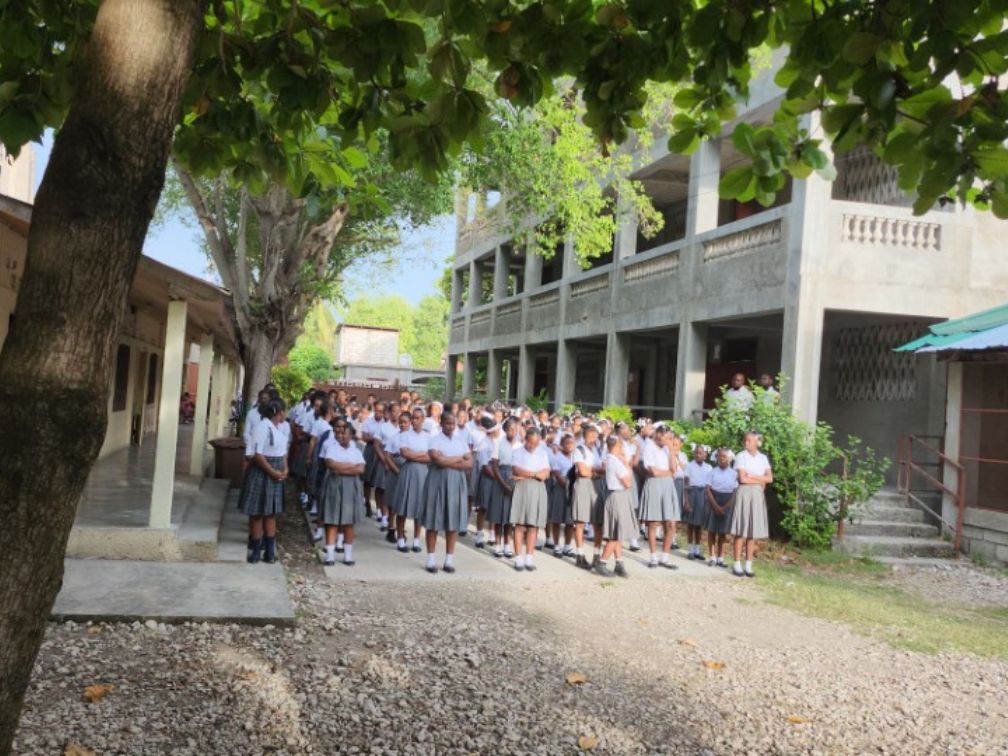
Over the years, we have supported about 230 Haitian students to attend local schools, mostly parish schools. Thank you again to the many supporters and student sponsors! Moreover, last year St. Robert School “twinned” with Pere Andre Mitton School, a parish school located right behind the church and rectory in Verrettes. That school has grown to over 600 students, so the needs are greater than ever. Many families have been forced to flee their towns due to gang violence, and they have found their way to Verrettes due to its relative safe environment comparted to other nearby areas. Many of these new families are homeless, but most children have been able to attend school because of the generosity of our sister parish whose parishioners are trying to support themselves as well as help others. They truly need our support now more than ever.
The latest news is that Our Lady’s Nativity’s pastor of 16 years, Father Murat, left Verrettes in March after the death of his mother. A sabbatical he’d been planning for three years was finally granted. Father Murat is now in New Jersey studying English and assisting a parish in Newark. He plans to return to Haiti in 2027. To assist in this transition at our sister parish, in his absence, Father Murat put in place key personnel from the Parish Council in Verrettes. They will maintain our relationship and manage our schools and student sponsorship program and keep us updated. With excellent assistance from the Executive Director of the Parish Twinning Program of the Americas (PTPA), we have worked this past summer with Parish Council members Beniel Auguste and Rosental Duvelsaint to ensure a smooth transition. We have established a clear set of objectives and expectations to which we all agreed. Many thanks to Father Tony, and Lynn Mossner, St. Robert’s director of stewardship and operations, for reviewing this process and supporting the relationship. Again, we also had special help from the Director of the PTPA, based in Miami, Florida, who speaks fluent English and Creole.
A PARTICULAR NEED
We are looking for more student sponsors, and we will be reaching out to current sponsors to ask you to please continue your current student sponsorship.
For just $300 a year as a student sponsor, you can:
- Support a student (the actual tuition cost depends on the grade of the student and the location of the school—there are three parish schools, one being in the mountains).
- Help pay for teacher salaries and
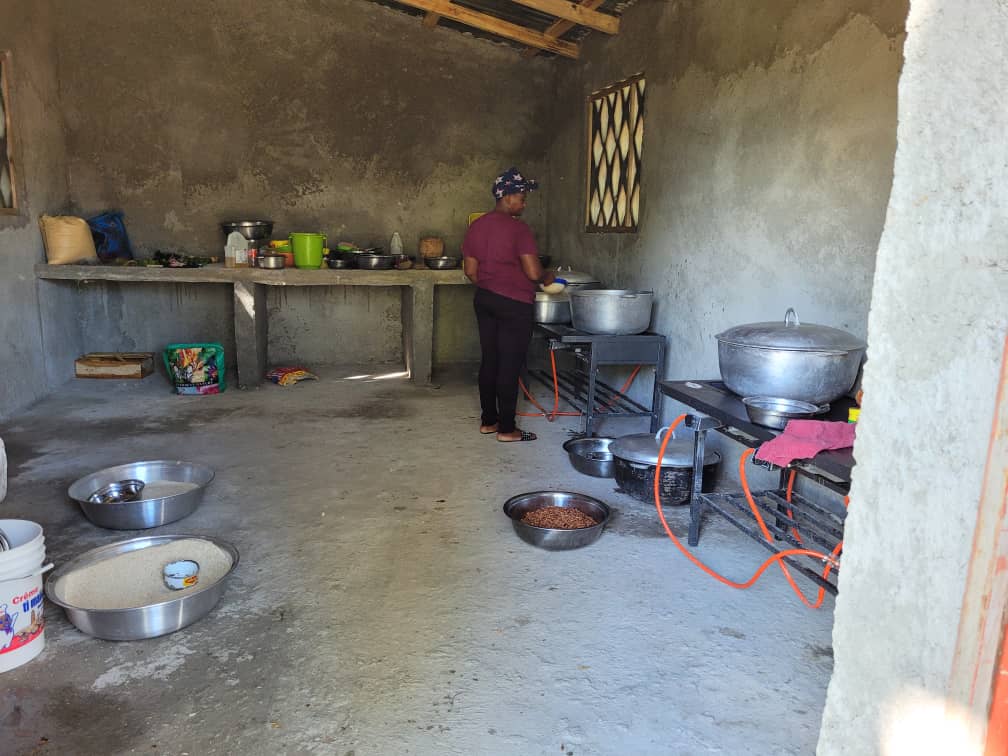
- Provide students with daily lunch. For many, this lunch may be their main meal for the day, which is typically beans and rice prepared by local mothers.
Please Donate on September 19/20
WAYS TO GIVE:
- We are especially seeking continuing and new student sponsors for the coming year. Your gift of $300 supports one child’s education for an entire year, though every donation—large or small—makes a real difference.
- CHECK OR CASH: Give using the September 20 envelope during the regular offertory at Masses this weekend or next. If you are a regular online giver and don’t receive the St. Robert envelopes at home, but would like to donate by check, feel free to place your check directly into the offertory basket. (When giving by check, please make the check out to “St. Robert of Newminster” with “Haiti” in the memo line.)
- Parishioners may also drop off donations at the parish office during business hours (8:00 a.m.-4:00 p.m., M-F), or in the parish drop box outside Door A.
- ONLINE: To give securely online, see the donate form at the top of this webpage, or visit https://tinyurl.com/SRNHaitiDonatePage.
If you miss the opportunity to give on September 19/20 and have the capacity to donate to the Haiti Ministry, please donate online, drop your donation in the offertory basket at next weekend’s Masses, or bring it during the week to the parish office. If you write a check, please write “HAITI” on the memo line. Thank you!
Every gift—large or small—helps a child learn, receive a daily meal, grow, and dream about a better future.
To learn more or inquire about sponsoring a student, please contact one of these members of the Haiti Committee:
Tom McDonald — Tmcdonald7287@gmail.com
Kristen Mahoney — Tmahoney4@aol.com
We are deeply grateful for your prayers, generosity, and 31 years of faithful support.
“Truly I tell you, whatever you did for one of the least of these brothers and sisters of mine, you did for me.” — Matthew 25:40
February 2026 Update on our sister parish in Haiti
Thank you to our St. Robert parish community for your ongoing prayers and generous financial support.
Uplifting news from Our Lady’s
Nativity, our sister parish in Verrettes!
School Growth & Improvements:
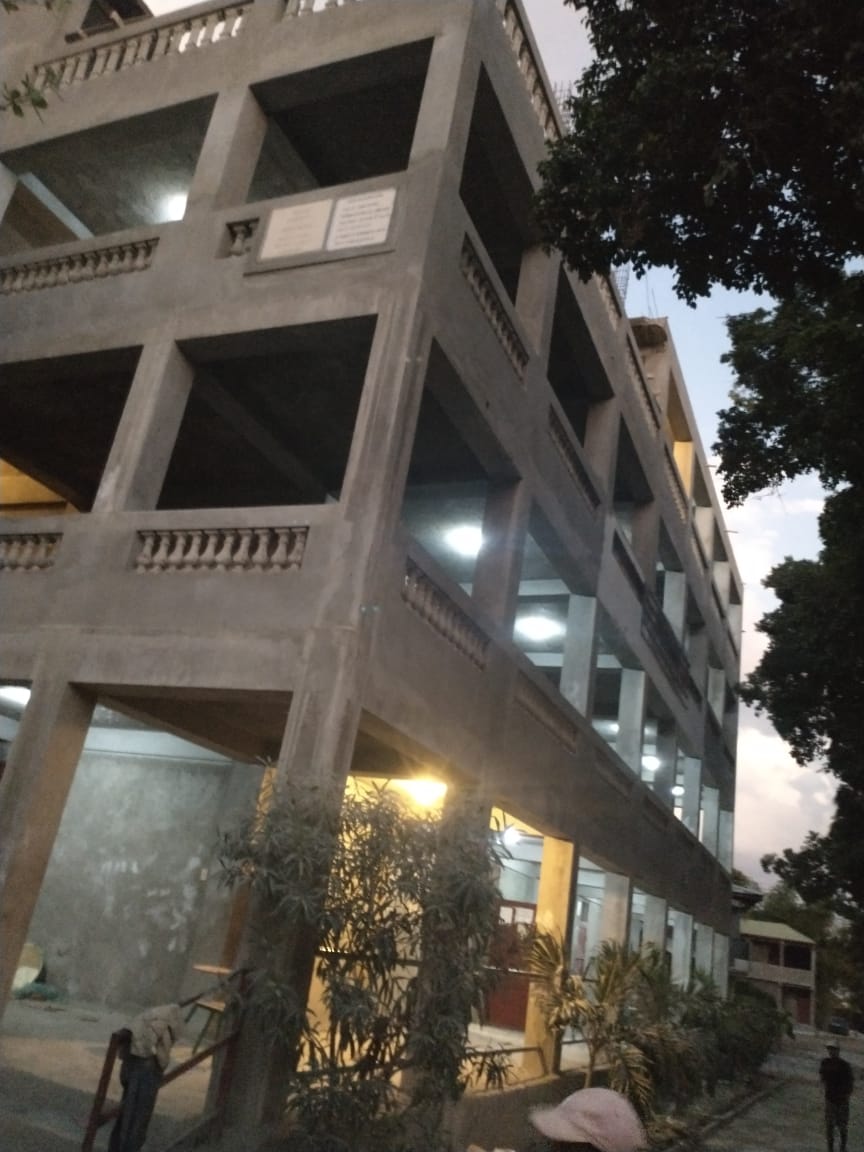
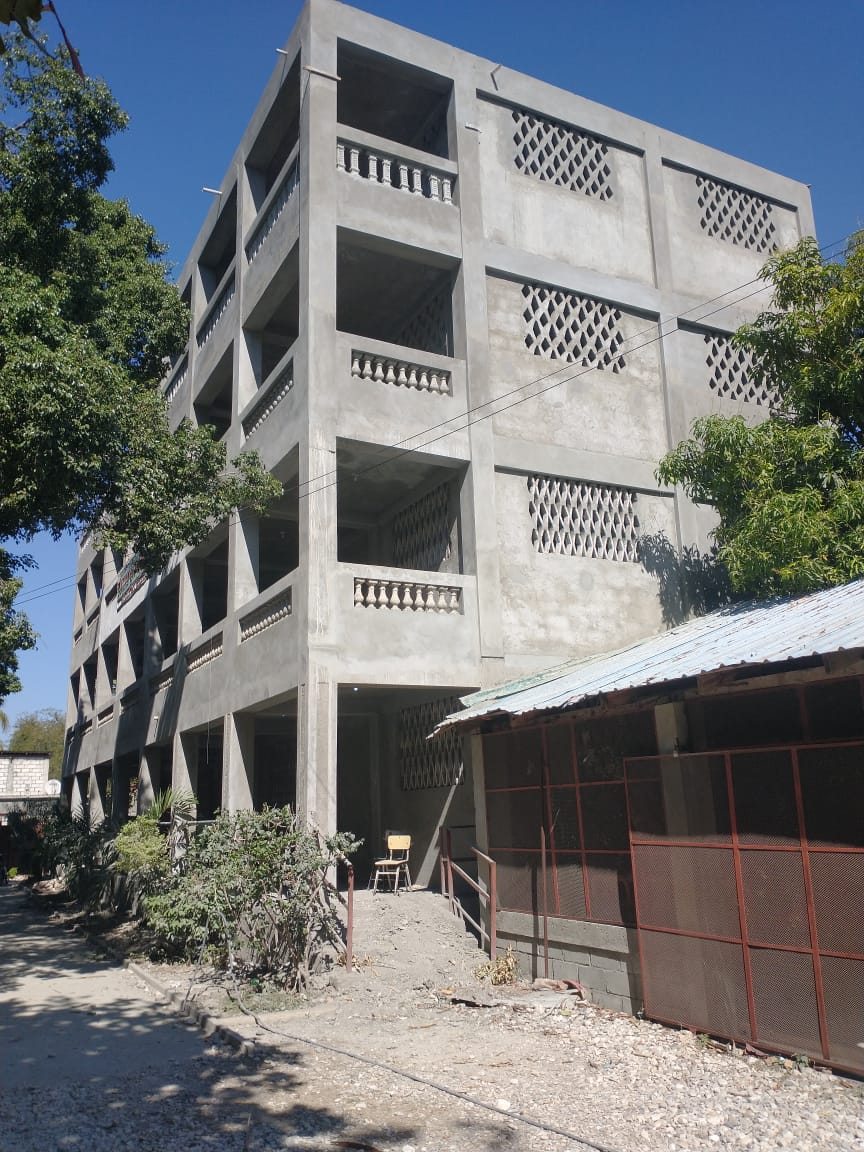
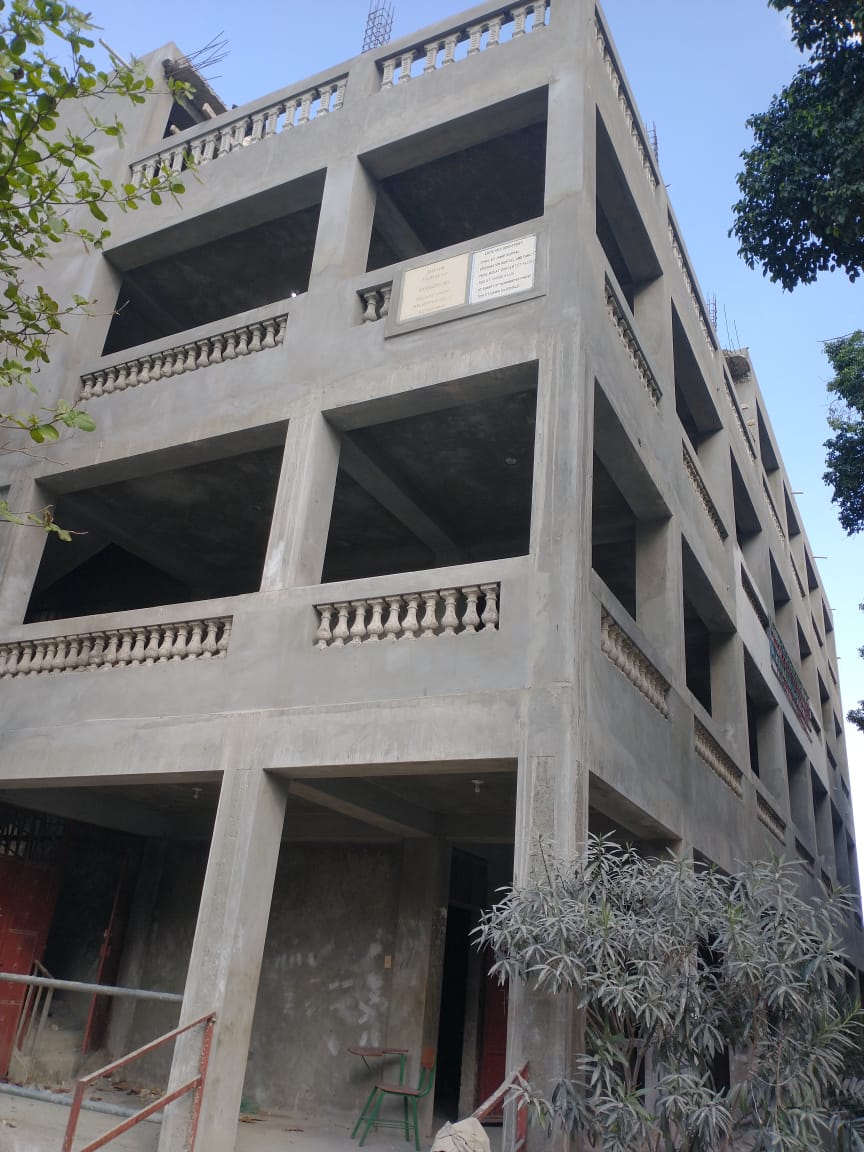
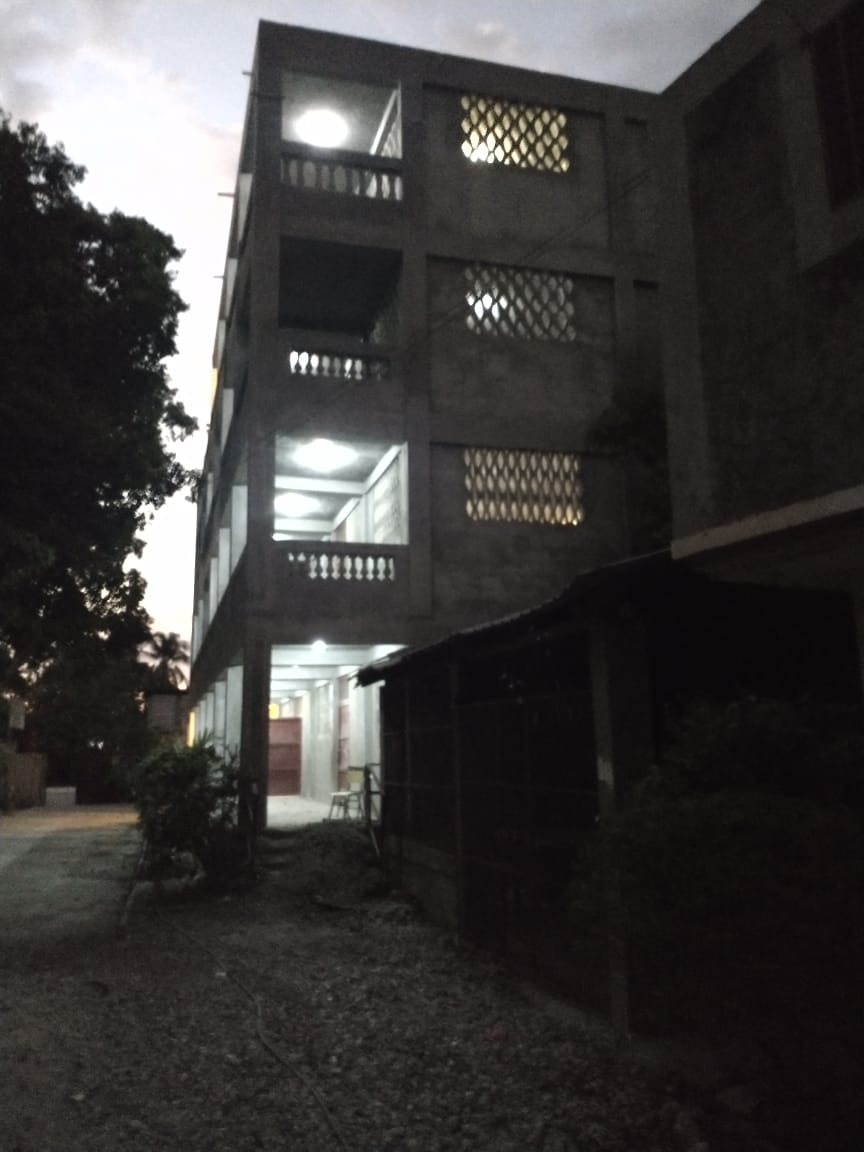
The parish school, Pere Andre Mitton —located on the grounds of the St. Robert Trade School—is now the “Twin School” of our St. Robert School.
Pere Andre Mitton is serving 600+ students in grades 1–13 (as of 2025), with classrooms filled to capacity.
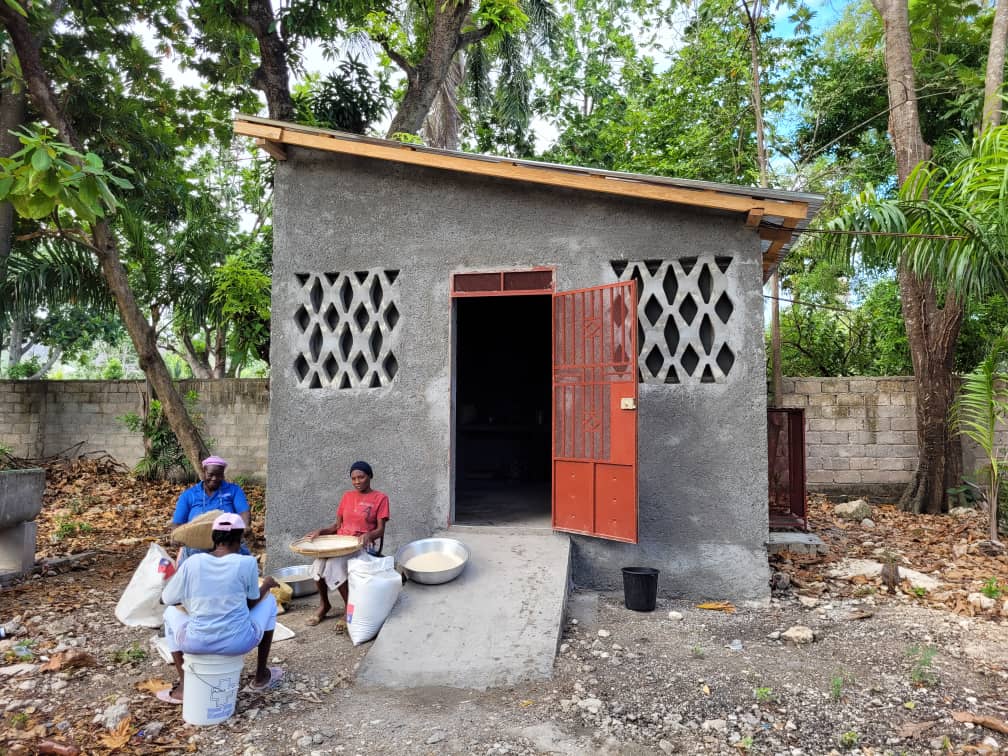
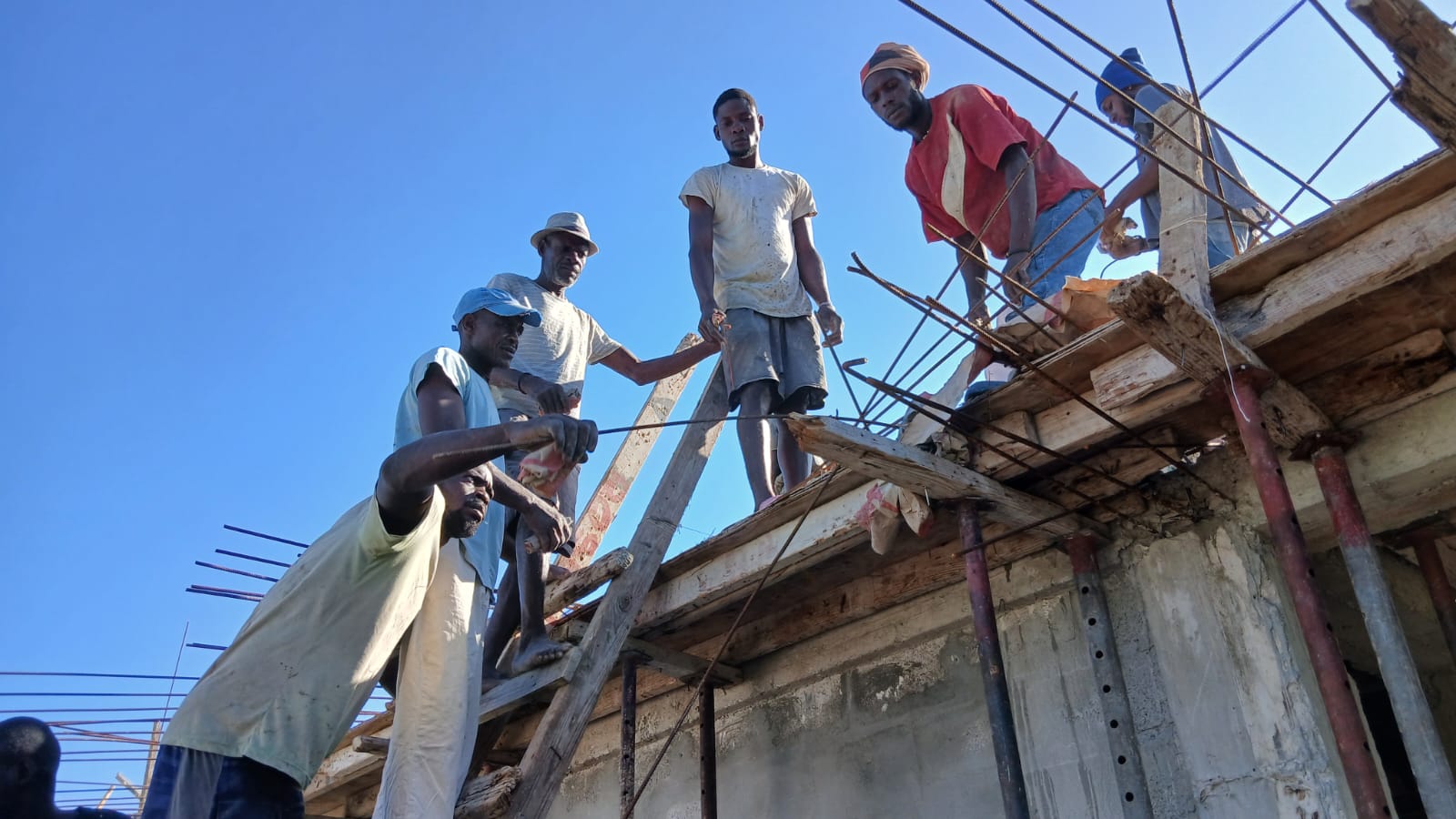
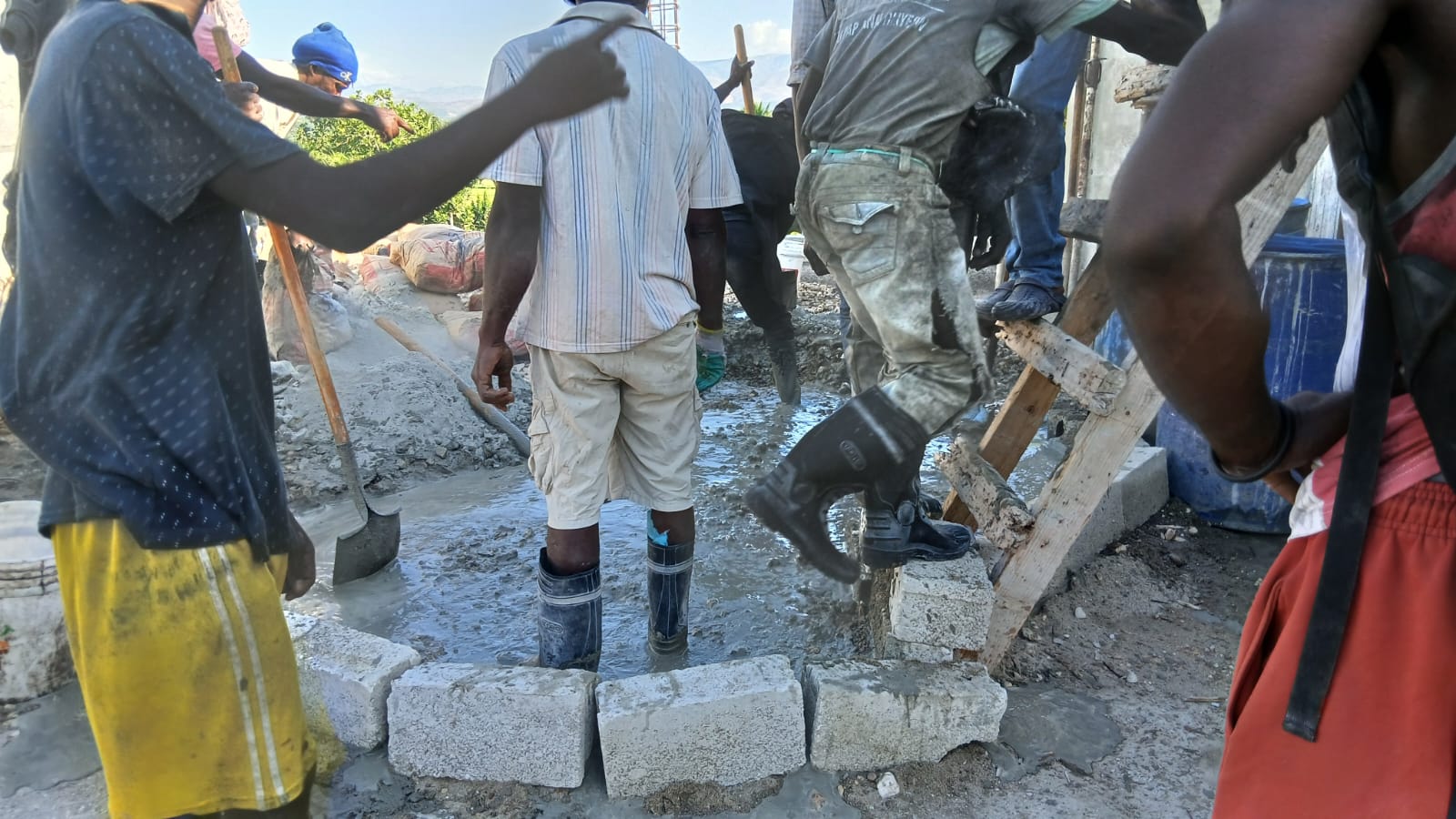
A kitchen and outdoor restroom facilities were recently added.
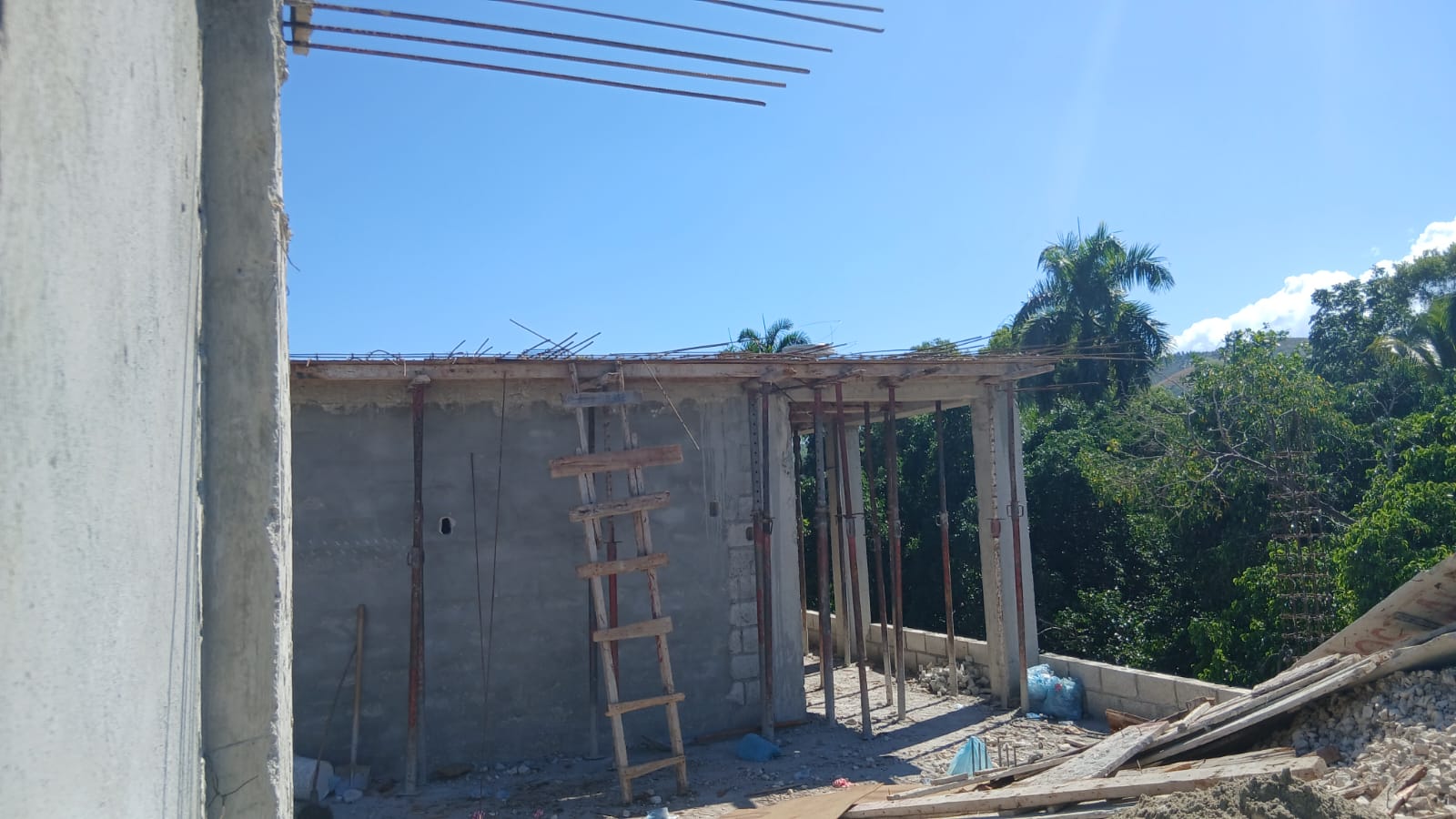
Additional classrooms are being constructed to meet growing needs.
We also gratefully remember Cassie Ellis, who helped launch our Haiti twinning and Student Sponsorship program over 30 years ago. Upon her passing in December 2025, she left $10,000 to the program; AND her husband Rod generously donated an additional $25,000 to complete classroom construction at Pere Andre Mitton School.
Father Murat, pastor of Our Lady’s Nativity for 30 years, is deeply grateful for the generosity of Rod and Cassie Ellis and all parishioners of St. Robert. A commemorative plaque at the school in Haiti will honor the major donors who have made this growth possible.
—The St. Robert Haiti Committee
Haiti and Haitians in 2026
Haiti remains volatile. According to the most recent report from the UN Security Council, there are now 1.4 million people displaced, 12% of the population, and 5.9 million people facing hunger, with 1.9 million facing extreme hunger. There are also alarming levels of sexual violence, with women and girls the primary victims. Gang violence remains widespread, with a reported 8100 total killings nationwide between January and November 2025. Half of gang members are children, who remain at extreme risk due to school closures and lack of opportunity. Local press is also reporting horrific civilian casualties from government-sponsored drone attacks targeting gangs.
The mandate of the current government, called the Transitional Presidential Council (TPC), expires February 7, with no succession plan in place. The United States is putting pressure on what’s left of the Haitian TPC to retain the current Prime Minister, which the TPC has declined to do. The US then sanctioned two members of the TPC. The United States, together with the United Nations, is organizing a Gang Suppression Force (GSF) with a goal to restore order in Haiti, laying the groundwork for future elections and distribution of humanitarian aid. The multinational GSF is due to deploy in May or June.
In this context, the Haiti Advocacy Working Group, which our ED Kim Lamberty co-leads, developed a letter to US government officials about the GSF, urging them to work with credible Haitian civil society actors to ensure that the GSF protects civilians, takes accountability for human rights abuses, and ensures that the crises’ root causes are addressed. Although we remain skeptical, Quixote Center is not taking a position on use of the GSF to solve Haiti’s immediate problems, because our partners in Haiti are clamoring for intervention to end the suffering. Instead, we are working to shape its trajectory. As a result of our letter, we already have arranged multiple meetings with leaders in Congress and the administration in the coming weeks.
Quixote Center has prioritized addressing root causes, including and especially the illegal trafficking of weapons from the United States to Haiti. Last year we sent a petition with more than 3000 signatures to the Department of Homeland Security (DHS) asking them to take specific administrative measures to stem the flow of weapons to Haiti’s gangs. We followed up with an organization letter to DHS and Department of State, with 95 organizations signing on, urging a specific set of administrative actions to curb the flow of weapons into Haiti. Last week we received this response from DHS. We are in the process of following up with DHS to discuss improvements. We are also working with partners for the passage of the ARMAS Act, and you can help by taking action.
In the midst of Haiti’s multiple crises, the administration declared an end to Temporary Protected Status (TPS) for Haitians, as of February 3, 2026. Most Haitians with TPS arrived here in the aftermath of the 2010 earthquake, which killed an estimated 300,000 people and decimated Port-au-Prince and surrounding areas. The country has yet to recover, and Haiti is obviously not a country they can return to safely. Rep. Ayanna Pressley and other members of the Congressional Black Caucus have filed a discharge petition in Congress, which would force a House vote to protect TPS for Haitians. HR 965 will need 218 signatures and we invite you to call your Representative to ask them to sign on. You can call the Capitol switchboard at (202) 224-3121 and ask to be forwarded to the correct office.
Brief History of the Quixote Center
Bill Callahan and Dolly Pomerleau founded the Quixote Center in 1976 with the general purpose of advocating for justice within the Catholic Church and in society. We initiated a variety of programs over the years, and some of the larger ones have spun off as independent organizations. These include the Christic Institute, New Ways Ministry, Prison Radio, Equal Justice USA, the Nicaragua Cultural Alliance and Interfaith Voices.
Our current work is focused on economic development through partners in Nicaragua (Quest for Peace) and Haiti (Haiti Reborn), as well as advocating for changes in U.S. foreign and immigration policies that impact the people of Haiti and Nicaragua.
About the Quixote Center – https://quixote.org/
Wed, 01/28/2026 – 2:14pm by Kim Lamberty
The SRN Haiti Committee attended the national conference of the Parish Twinning Program of the Americas in August 2025 (ptpausa.org).
The theme was “Hearts on Fire—Fanning the Flames of Passion to Serve Our Twin Parishes in Haiti and Latin America.” The conference consisted of three days of sharing the Catholic faith, successful twinning practices, and ways to assist our sister parishes and schools, such as solar energy, school support, financial programs like micro loans, or how to maintain communication and success of projects during troubled times. The keynote speaker was Cardinal Chibly Langlois, the first and only cardinal in Haiti’s history. He is a warm, generous, and approachable spiritual leader with a wonderful wit and sense of humor! However, his message about twinning and Haiti was serious and grateful. Cardinal Chibly talked about “Why twinning matters now more than ever.” Primarily due to political problems and gangs, he explained that Haiti is experiencing economic collapse. Parish collections have dropped by more than 60%. Many catholic schools have difficulty operating economically. He explained that “families struggle just to survive,” and that even “one twin parish can change lives; one school becomes a beacon of hope; one health clinic receives solar panels and can now store life-saving vaccines; one small business receives a start-up grant and transforms a whole family’s future.”
Cardinal Chibly said, “Twinning is a sign of hope. Here in Haiti, we receive all you share with us as becoming our brothers in Christ. When parishes in the United States share with us, it is not only generosity—it is communion.” He ended by saying, “Hope never dies in Haiti; people still gather, still believe, and have much to give in faith, joy, resilience, and song.”
In addition, several parishioners from Haiti were in attendance. Many had experienced the benefits of twinning now and as kids. Some of them made presentations, which gave the conference real perspective. They have grown up and become leaders helping Haiti forge a new future. They had very powerful messages and were living proof of the value of twinning.
On the closing day of the conference, Archbishop Thomas Wenski of Miami ended with a moving message about the faith and resilience in Haiti and how it is enhanced by the love and works of parish twinning relationships—and that these relationships are a two-way street. He talked about a missionary trip he once made to Dominican Republic with a group of college-age kids, “pretty much upper middle-class kids, educated in Catholic schools, kids from Miami’s more affluent neighborhoods.” Upon their return, the students commented about their counterparts in Dominican Republic: “But everybody seemed so happy.” The archbishop talked with the students about their experiences and said, “I helped them see that while [the Dominicans were] poor, desperately poor, in material things, they were rich in other ways. I said to these young people, you are obviously well off in material things. You have phones, computers, cars, etc. But why are some people miserable, even with all these things? Because they were poor in relationships. The cultures in Dominican Republic and Haiti rely on many relationships. Their villages are full of cousins and relatives; there were aunts and uncles, godparents, brothers and sisters. Everybody knew everybody.” The archbishop described that many of the American students did not have siblings at home or even a second parent in the home; cousins might live thousands of miles away. “And too often, the relationships they had were virtual ones, through a screen and not with a real person.”
He went on to say, “The biggest source of ‘foreign aid’ reaching Haiti are the remittances sent home by Haitians in the diaspora to help their relatives back home. Poverty is relative—and to be faithful twinning missionary disciples, we must encounter the other in his/her humanity. This encounter is a two-way street. For no one is so poor that he doesn’t have something to give; nor is anyone so rich that he cannot receive something from the other.”
Archbishop Wenski had extremely meaningful insights about Haiti and the faith, and how countries like Haiti suffer from “the structure of sin,” typically centuries of a repressive colonial past. He also stressed how we serve Christ when we serve those most in need. His full text will be available on the St. Robert Haiti ministry website (although the Q&A is not part of the text).
Background and History of our Twinning Relationship
What It’s All About – Sharing God’s Love!
St. Robert’s maintains a Twinning relationship with Our Lady’s Nativity parish in Verrettes, Haiti. St. Robert’s is a member of the Parish Twinning Program of the Americas, a national Catholic organization with a mission of “Sharing God’s Love in Haiti and Latin America” (see ptpausa.org). St. Robert’s assists our twin parish in multiple ways.
Our main focus has been Education and to help Fr. Murat, the pastor in Verrettes, spread the word and works of Jesus Christ. Our financial support pays tuition for about 230 students who otherwise wouldn’t be able to go to school. The money also helps pay teacher salaries and provides lunches for kids (and this may be the main meal of the day for many students; it is usually beans and rice, which are foods that can be grown locally).
When possible, we also assist with special projects based on need and as suggested by Father Murat. Such projects include building a new chapel in remote areas; building a new school; providing toilet facilities at a school or church; or building a “kitchen” at a school so meals can be made on site. Back around 2012 we also sponsored building the St. Robert’s Trade School, which is located behind the main church and teaches skills such as building trades, auto mechanics, sewing, and cooking. What has impressed us on every visit and while working with Fr. Murat over the years is that he does amazing things with very little. Moreover, he tells us what he needs, estimates the costs, tracks the costs, follows-up with us, and delivers what he sets out to do. He perseveres to “help his people” even though his life has been threatened multiple times. People know that he has money to run the church, pay contractors and workers, pay teachers, acquire food, etc. Consequently, he’s a target. It’s not in jest to say he does saintly things.
When (and Why) We Visited Our Sister Parish
Before the serious troubles with gangs in Haiti, representatives from St. Robert’s would visit Verrettes every year or two. In addition, Father Murat would visit St. Roberts on occasion to address St. Robert’s parishioners on life at his parish and to thank us for our support. The main objectives of our visits have been to:
-
- Build and enhance personal and spiritual relationships between our respective parishes.
-
- Review how the projects, schools, and students we sponsor are progressing so we can report back to St. Robert’s parishioners and adjust our program accordingly.
-
- Understand the needs and priorities of our sister parish and the needs of the schools and students.
-
- Provide funding to our sister parish for both spiritual and education advancement.
As mentioned, because of gang-violence it is not safe to travel to Verrettes. It might be possible to get to Verrettes via Cap Haitien in the north, but the other issue is that we would bring attention to Fr. Murat – causing more danger to him. The usual route would be to go via Port au Prince, but that isn’t feasible with gangs controlling the capital. In late November (2024), even Doctors Without Borders announced they were pulling out of Port au Prince.
Commercial flights to Haiti were also suspended in November by the U.S. government because gangs were shooting at commercial jets and even hit Spirit Airlines jets. Fortunately, we can still get donations to Fr. Murat via electronic bank transfer.
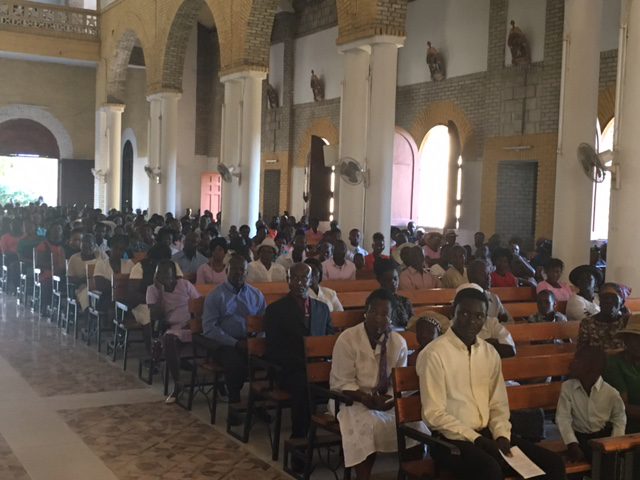
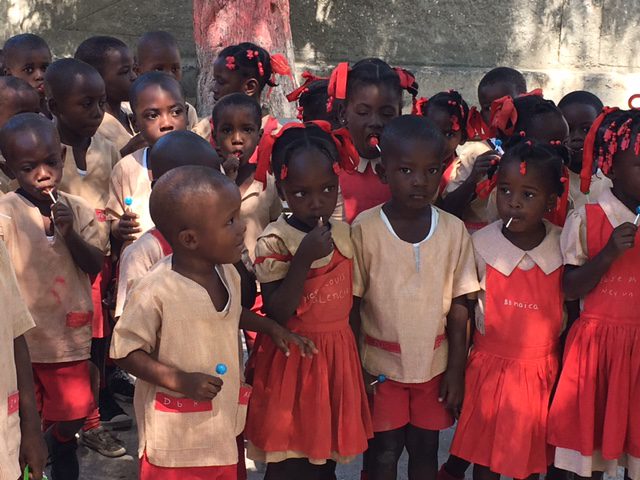
St. Robert of Newminster Student Sponsorship Program
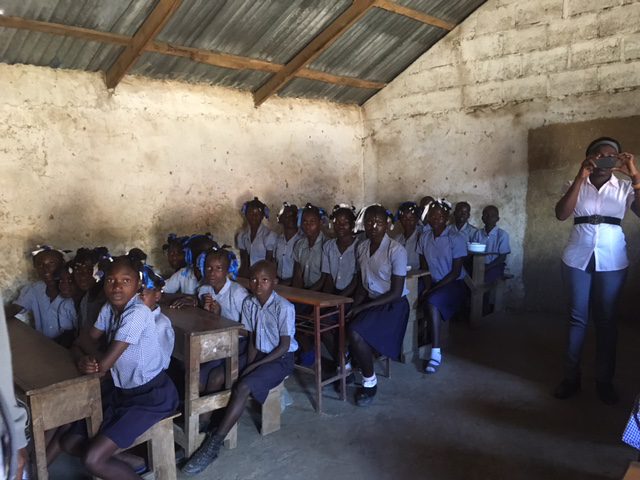
Some St. Robert’s parishioners directly sponsor students! This is a great program where the money is dedicated to paying student tuition and teacher salaries. There is little to no public education in Haiti. Most education is done at schools provided by the Catholic Church or other Christian or non-profit organizations. Schools need to be built. Materials need to be bought. Workers need to be paid. Teachers need to be paid. Food needs to be bought (or grown). “Cooks” need to be paid. Furniture has to be made and delivered to the schools. Thus, families need to pay something, though some families can’t afford tuition. The schools for our sister parish have no electricity and no running water. Toilet facilities are basically outdoor “facilities” with walls. Some teachers at mountain schools need to hike to the school and stay there for the week in a “dormitory.” Rainwater is collected and held in a cistern for showers.
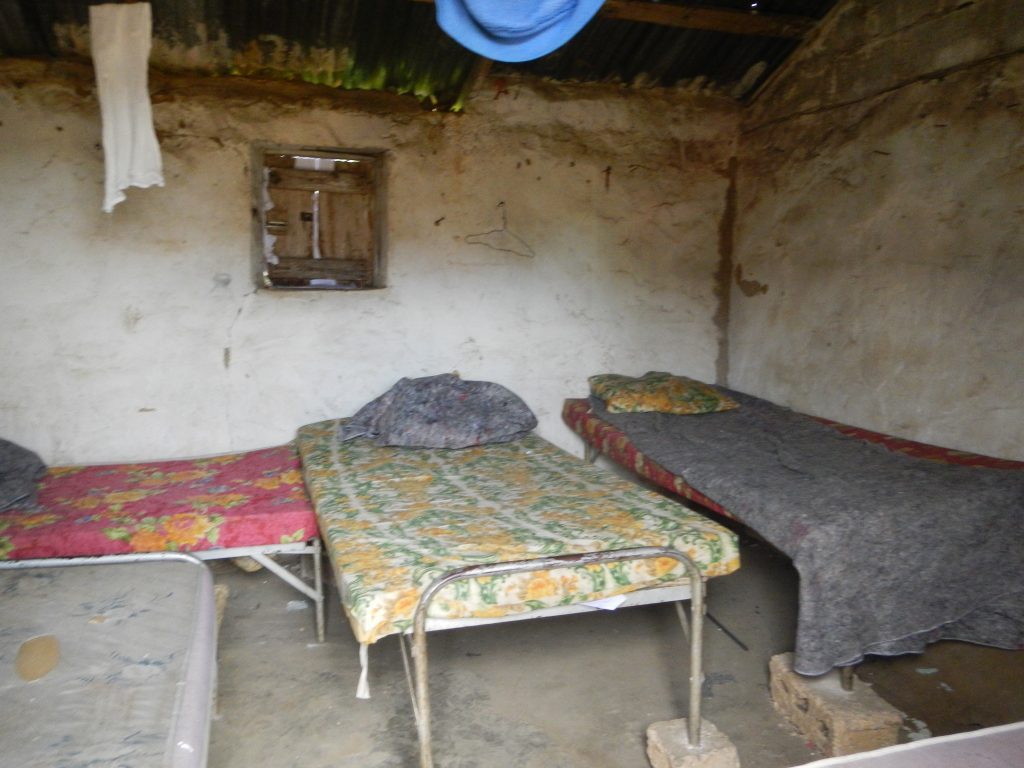
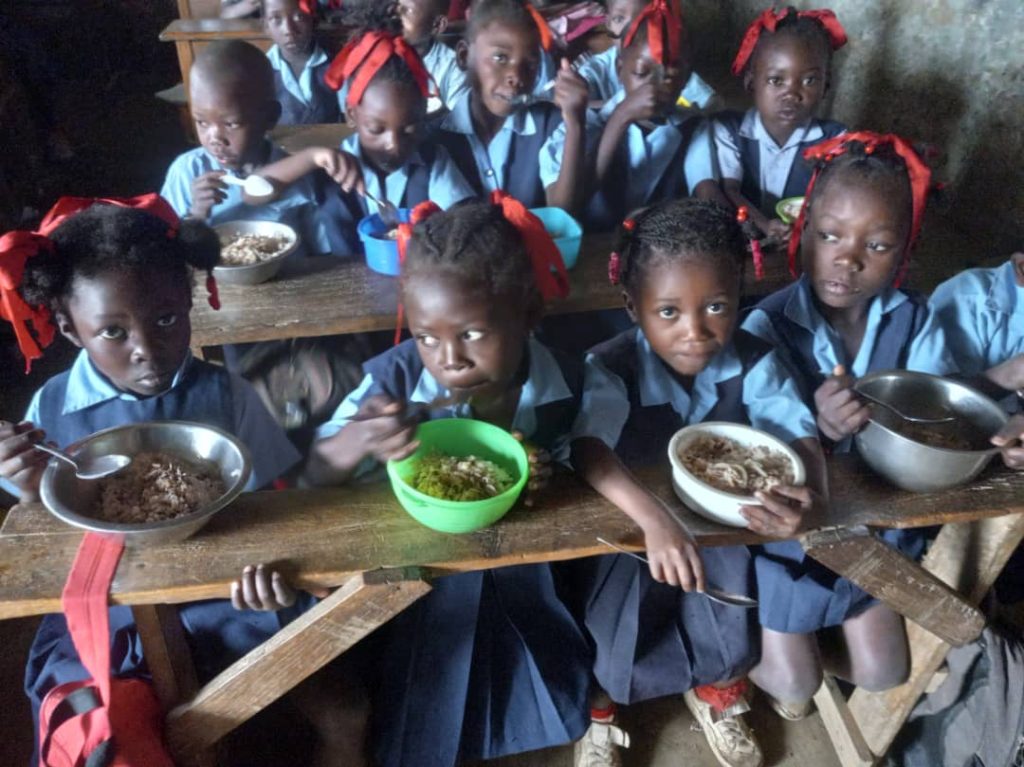
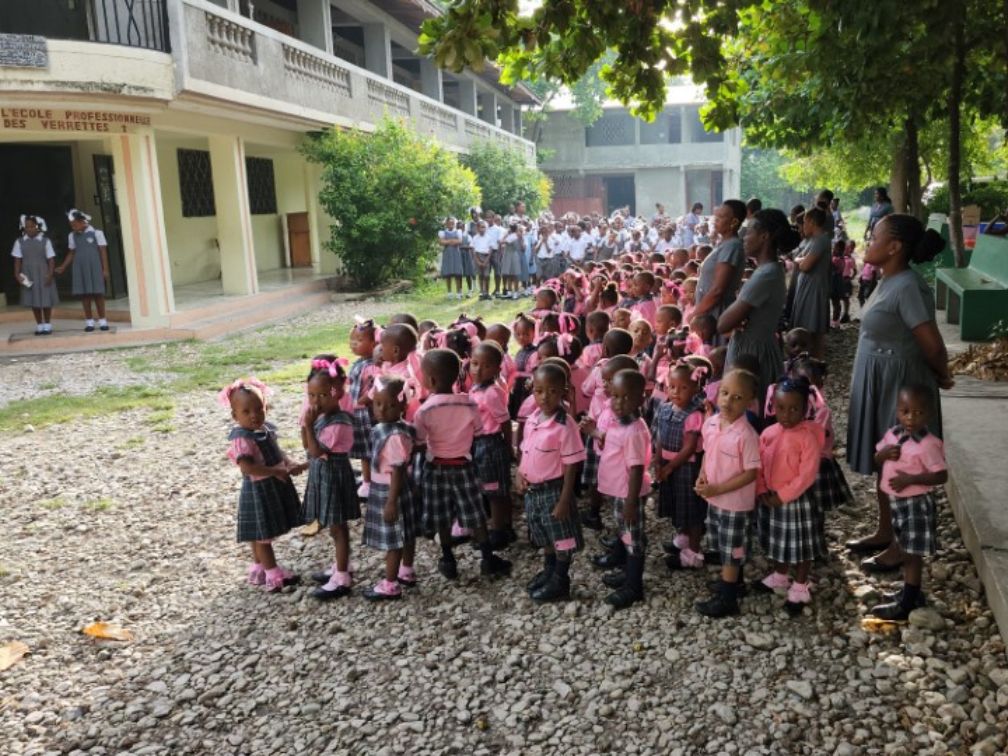
Fr. Murat supports multiple schools. The new parish school has about 250 students and is located directly behind the church. It is next to the St. Robert’s Trade School. A school in Descombes in the mountains has over 600 students! A school in nearby Allaire has over 200 students. Fr. Murat also supports small schools and chapels in the mountains.
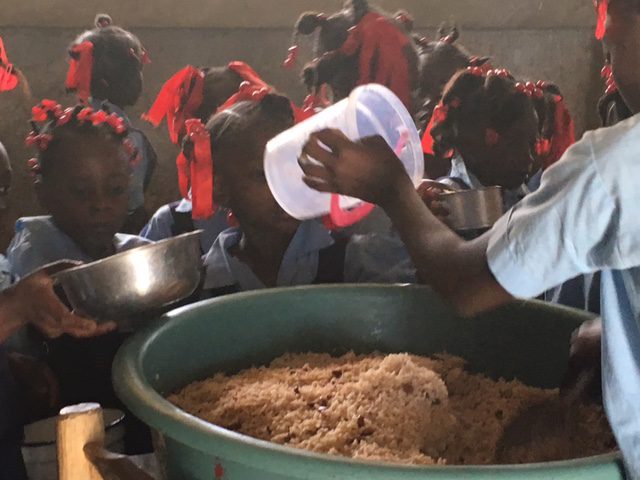
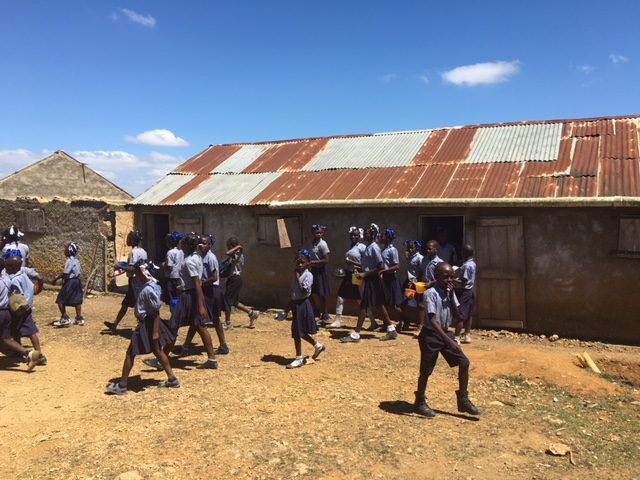
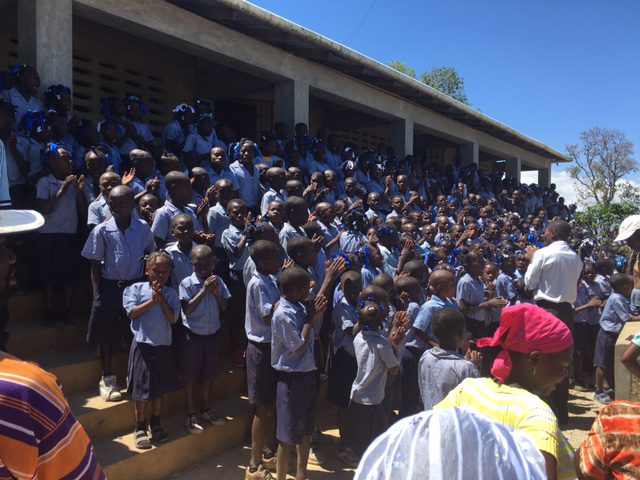
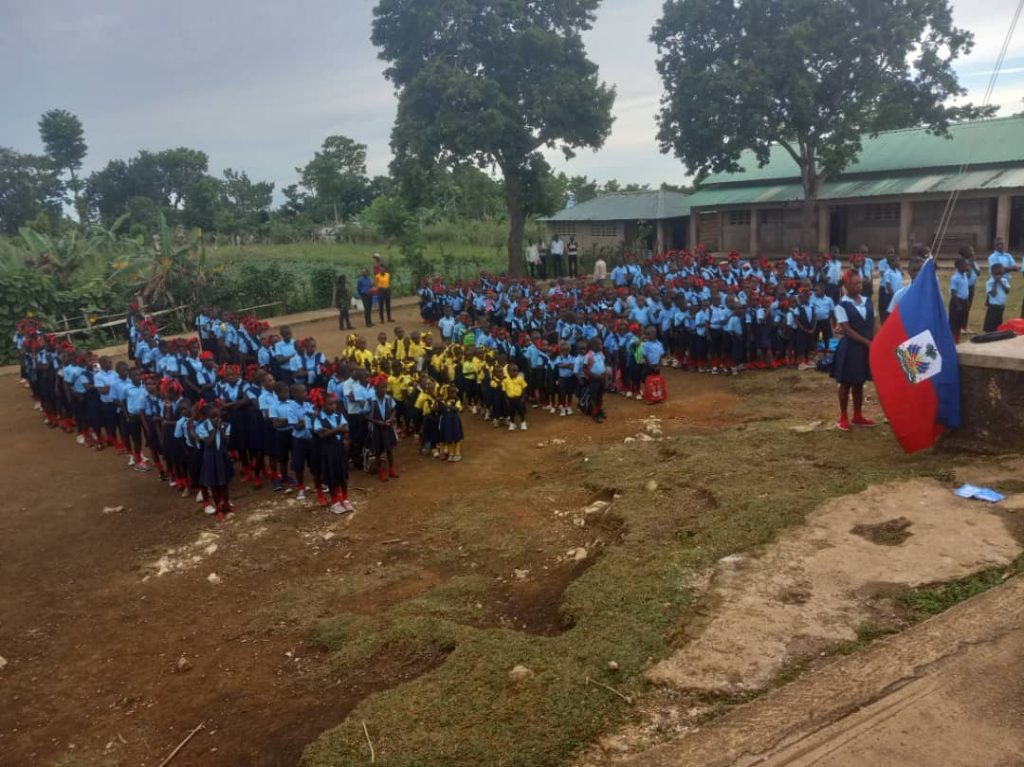
Thanks to St. Robert’s parishioners, especially many who are directly sponsoring students, we sponsor and track (as best we can) 230 students who otherwise would not be able to attend school. Fr. Murat sends us a list of the students for the school year. It is difficult to exactly quantify the actual costs for sponsoring a student, but we have recently ballparked the cost to be about $300/year per student (compare that to the $9,608 per pupil for K-12 students in Michigan, which is a 32:1 ratio). Despite the recent murder of 115 people by gangs near Verrettes in October, 2024, the parish is functioning and churches and schools are open.
In 2020-2021, Fr. Murat built a new parish school behind the church. It is called Pierre Andre Mitton School and was built on the grounds of the St. Robert’s Trade School. There are about 250 students there today. Fr. Murat assists several schools in Verrettes and in the nearby areas and mountains. Our twinning program suffered during and after the pandemic, but we maintain monthly contact with Fr. Murat and one of his assistants.
Stay connected! Sign up to receive Haiti Twinning program email updates below:
Sign Up to Receive our Emails!
Stay Up-to-Date:
Read our Newsletters!
St. Robert’s Haiti Committee
The Haiti Committee consists of Tom McDonald, Kristen Mahoney, Cindy Ritter, and Chelsea Bossenbroek. The Haiti Committee welcomes new members! Please feel free to contact Tom McDonald at (616) 893-4428 or tmcdonald7287@gmail.com. We have been unable to visit Verrettes, but we are in contact with Fr. Murat multiple times every month. Help us spread the word to support our fellow parishioners and their children and families.